
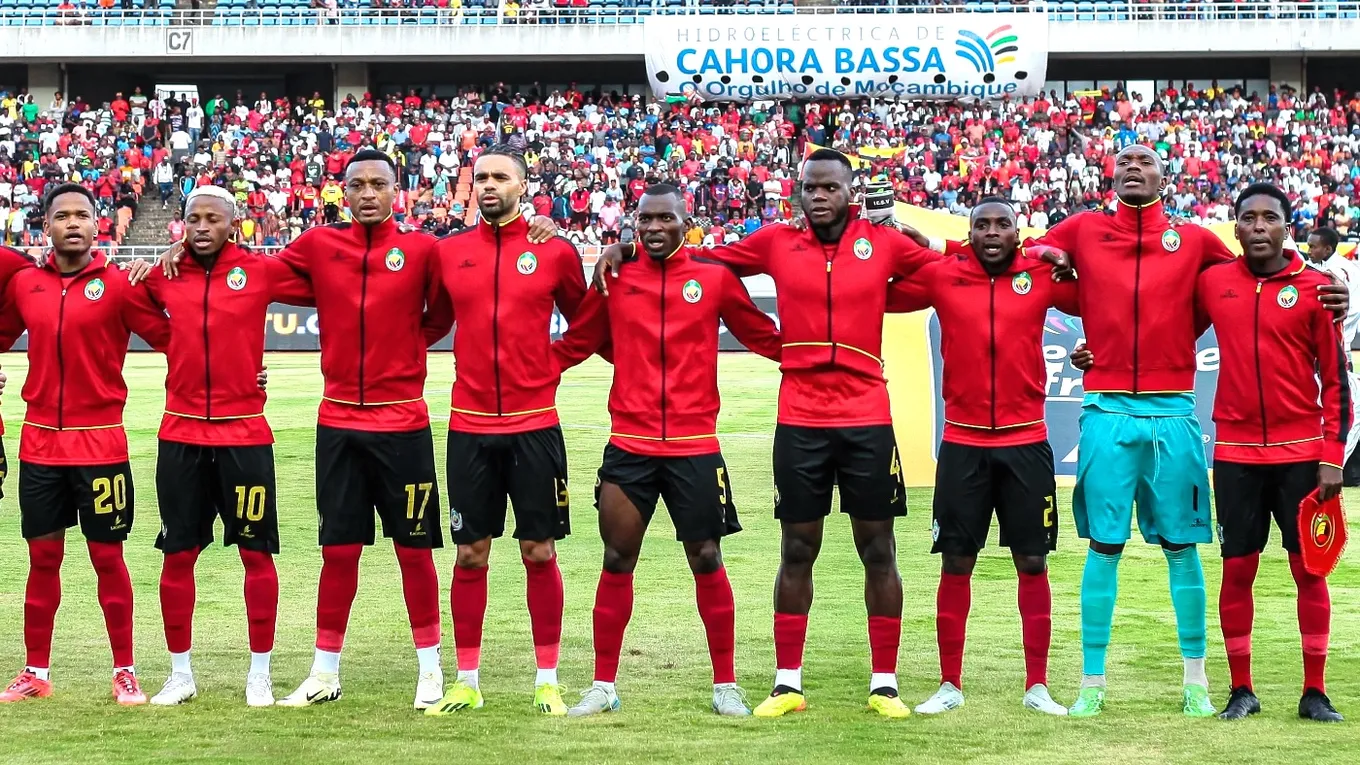
In Uganda, a football matchday is rarely limited to the opening whistle and the final score. It begins with conversations in neighbourhoods, at workplaces, on campus and in local media, then continues long after the players leave the pitch. That wider rhythm is one reason domestic football remains such an important meeting point for communities with different club loyalties and different expectations of the season.
A weekly sporting ritual
Anyone comparing betting sites in uganda before a weekend of fixtures gets more value from understanding the sport behind the numbers. A league match can carry a story about a new coach, a difficult away trip, a player returning from injury or a club trying to protect its home record. Those details make the game more than a statistic and give supporters a reason to follow every round closely.
Why the club game has local meaning
The Uganda Premier League gives the domestic calendar a clear structure. Its clubs represent cities, institutions and long-standing local identities, so the table is not the only thing at stake. A result can affect pride in a neighbourhood, confidence around a club’s youth programme and the mood before the next derby. The league also creates a regular stage for players who are working toward national-team recognition.
Matchdays support a whole ecosystem around the stadium. Transport operators, food vendors, small businesses, photographers and local broadcasters all benefit when a fixture draws a crowd. The value of a well-run game is therefore both sporting and social. A safe venue, a reliable schedule and clear communication from clubs help turn occasional visitors into regular attendees.
Following a fixture with more context
The best way to read a Uganda Premier League match is to begin with the football itself: recent performances, home and away patterns, squad availability and the style each side prefers. Some teams rely on fast transitions and wide play, while others try to slow the game down through possession and set pieces. A simple look at those contrasts often explains why a fixture feels open, tense or difficult to predict.
It is also worth separating a single result from the bigger picture. A narrow defeat does not always mean a poor performance, just as a win can hide problems that will return later in the season. Sport is more enjoyable when it is followed with patience, realistic expectations and respect for the work of players, officials and coaches. If betting is part of matchday entertainment, it should remain secondary to the game and stay within a personal limit.
What sustainable matchdays look like
A strong domestic football culture is built through small, repeated improvements. Clubs need dependable training spaces, clear fixture information, qualified officials and a matchday plan that treats spectators with respect. When these basics are in place, a league can grow without losing its local character. Players benefit too, because regular competition gives them a better chance to develop confidence and consistency.
Supporters can contribute by valuing the whole contest, including defensive work, youth development and good sportsmanship. That attitude makes it easier for a club to keep moving after a poor result. It also helps keep conversation around betting realistic: the unknown is part of football, while the community created by a matchday is the part that lasts.
The point of following local football
At its best, domestic football turns a weekly fixture into a shared civic event. It gives emerging players a stage, gives communities a common reference point and gives supporters a reason to care about progress beyond the biggest international headlines. That is the standard worth protecting as Uganda’s club game continues to develop.